










What Does “Made in India” Taste Like?

From recipes passed down through generations to the snacks we enjoy today, Indian flavours are more than food; they are memories, traditions and little pieces of home.
What does India taste like?
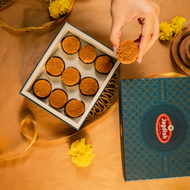
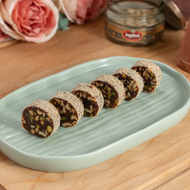
Maybe it’s the crunch of freshly made sev. The sweetness of Mithai was shared with family. The aroma of farshan at a Gujarati gathering. Or that one familiar snack that takes you straight back home with the very first bite.
India doesn’t have one flavour.
It has thousands.
Every region, family and community has its own way of cooking, celebrating and sharing food. Over time, these flavours become more than recipes. They become part of our stories, our celebrations and our everyday lives.
So, this Independence Day, there’s another question worth asking:
What does “Made in India” really taste like?
A Taste of Tradition
Some flavours simply feel timeless.
Recipes passed down from one generation to another carry something special, not just ingredients and techniques, but memories. The same snack enjoyed by grandparents finds its way onto the plates of their children and, eventually, the next generation.
Because tradition isn’t about keeping the past frozen.
It’s about carrying the best of it forward.
A Taste of Diversity
Indian food is as diverse as the country itself.
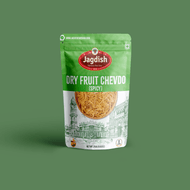
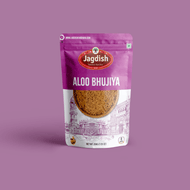
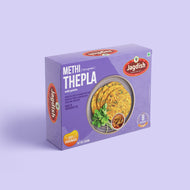
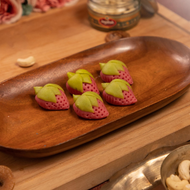
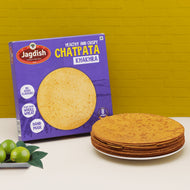
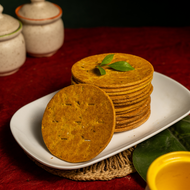
From Gujarati farshan and namkeen to Rajasthani snacks, Punjabi flavours, Bengali sweets and countless regional favourites, every part of India has something unique to share.
Even within Gujarat, every city and household has its own food stories.
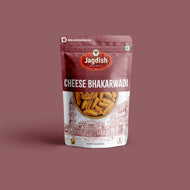
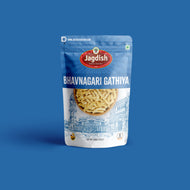
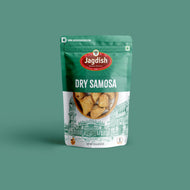
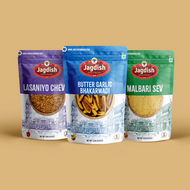
Sev, Bhakharwadi, Gathiya and farshan aren’t just snacks. They are part of chai-time conversations, family gatherings, celebrations and those simple moments when someone says, “Thodu biju lai lo.”
That’s the beauty of Indian food.
There isn’t one Indian taste. There’s a whole world of it.
A Taste of Legacy
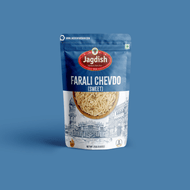
For Jagdish, this connection with tradition goes back to 1938.
What started with a passion for traditional flavours has grown across generations, while staying rooted in the food memories that make Indian snacking so special.
Because a legacy isn’t only about how many years you have been around.
It’s about how many generations continue to welcome you to their table.
It becomes a heritage.
A Taste of Today
Tradition, however, doesn’t mean standing still.
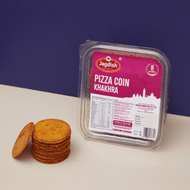
The way we live, work, travel and enjoy food has changed. Today, traditional snacks are enjoyed in new places and new moments at work, on journeys, during quick chai breaks or while catching up with friends.
The flavours may feel familiar.
The way we enjoy them keeps evolving.
And perhaps that is what makes Indian food heritage so beautiful it moves forward without forgetting where it came from.
So, What Does “Made in India” Taste Like?
Maybe it tastes like a recipe passed down through generations.
Maybe it tastes like a family gathering, a festive celebration or an evening chai.
Maybe it tastes like nostalgia.
Maybe it tastes like home.
Because “Made in India” is more than a label.
It lives in our recipes, our ingredients, our craftsmanship and the memories we create around food.
And sometimes, it lives in something as simple as a familiar crunch that takes us back to where we belong.
This Independence Day, let’s celebrate not just the country we call home, but the flavours and traditions that make it uniquely ours.
Because “Made in India” isn’t just a label.
It’s a taste, a tradition and a feeling.
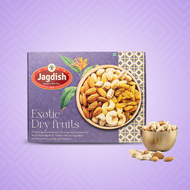
And at Jagdish, we’re proud to have been carrying a little piece of that feeling forward since 1938